
The challenge
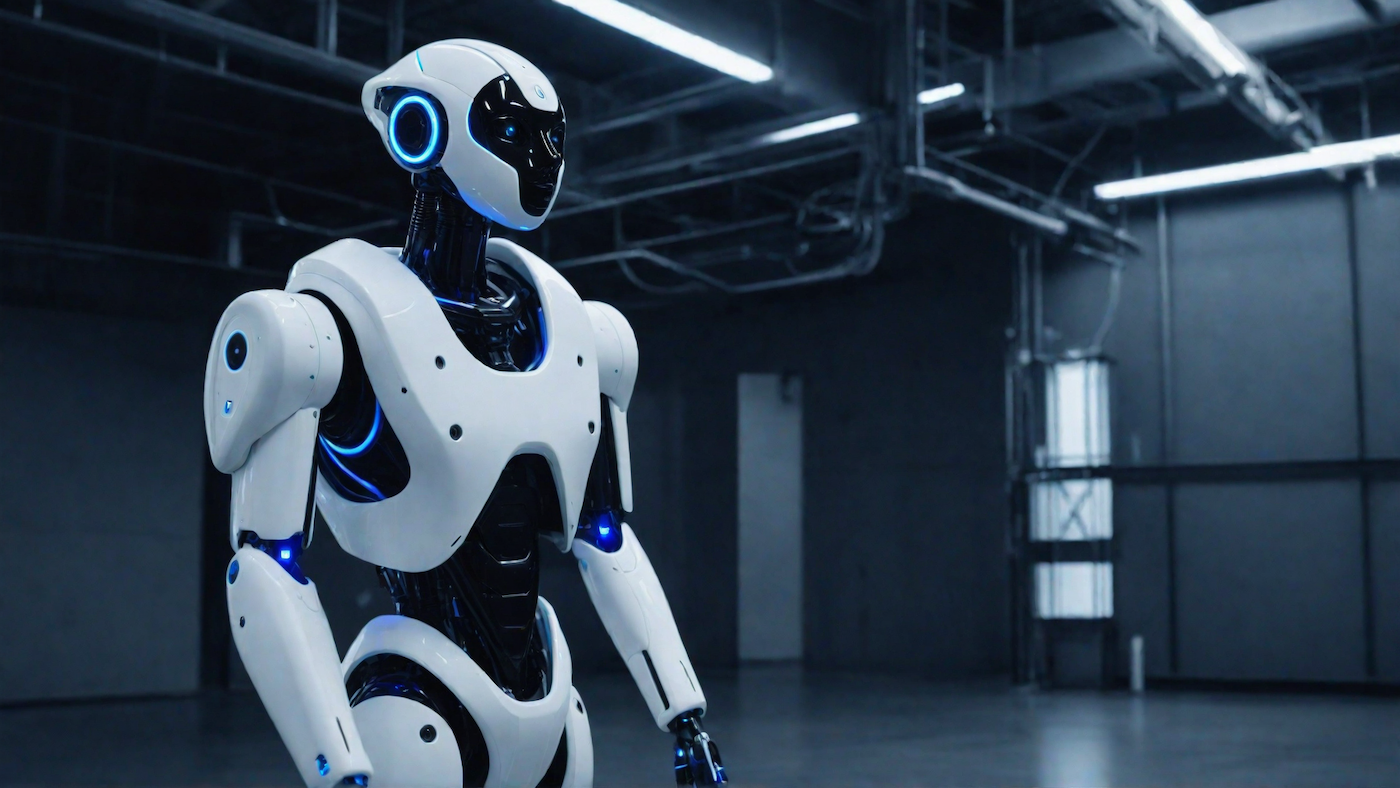
Most humanoid robots today are general purpose. One fixed body is meant to work everywhere. In real industrial settings, this does not work well. A robot built for a warehouse cannot fit on an automotive line. A robot built for one factory layout cannot operate in another. The result is wasted capability and poor return on investment.
Global Singularity does it the other way around. We build humanoid robots parametrically. Each robot is configured for the place and the job it will do. The robot fits the operation, not the other way around.
How parametric design works
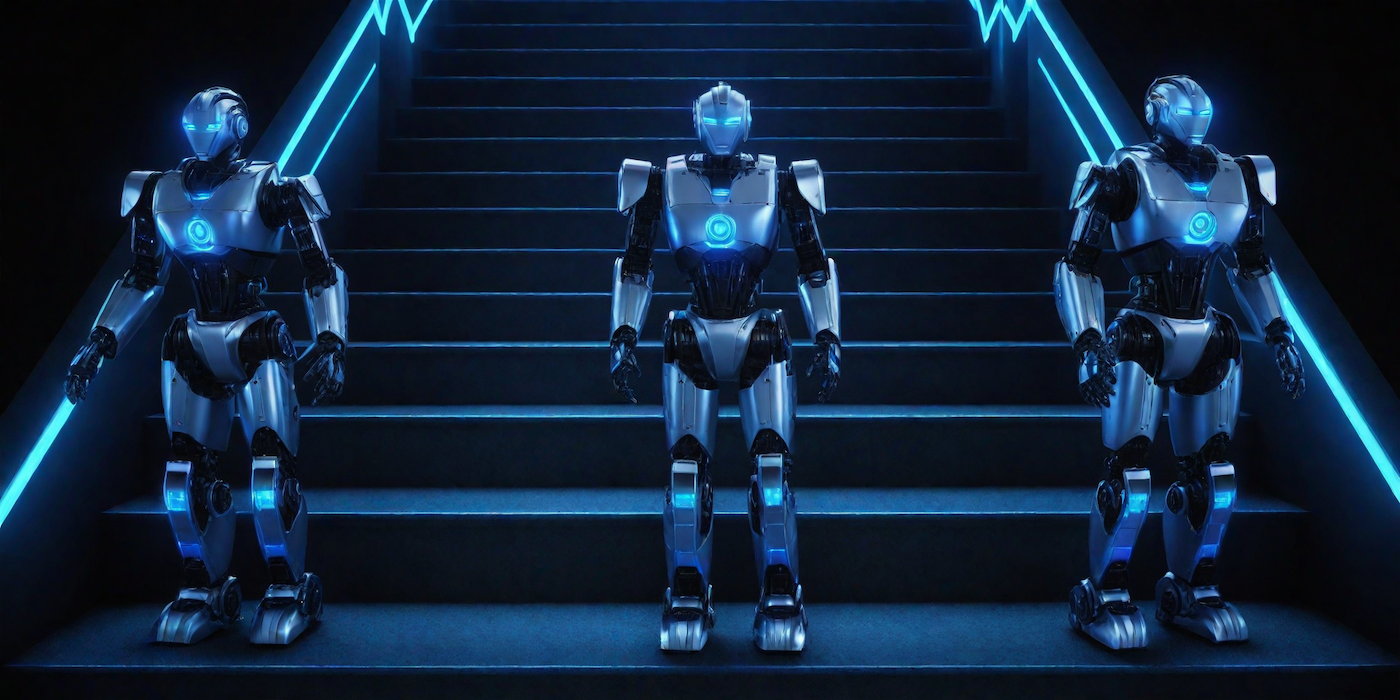
Every robot starts as a parametric model. The customer sets the values that matter for their use case. This includes height, arm reach, payload capacity, footprint, joint setup, range of motion, and sensor placement.
From these inputs, our system builds a full mechanical and control design. The result is a robot that is shaped for its specific job. This removes the compromises of general purpose platforms. Every unit works at the top of what humanoid robots can do in its setting.

What we deliver
Our main focus is heavy industry. This includes manufacturing plants, heavy machinery production, and automotive assembly and component lines. These are environments where stations have fixed dimensions, tasks are repetitive but physically demanding, and any mismatch between the robot and the workstation translates directly into lost productivity.
In a manufacturing plant, a parametric humanoid can be configured to reach across a specific assembly fixture, lift the exact payload of the parts handled there, and move within the clearances of the cell. In heavy machinery production, robots can be sized for large component handling, with arm reach and payload capacity tuned to the parts and tools used at each station. In automotive lines, robots can be matched to the geometry of a specific body in white station, an engine assembly cell, or a final assembly task.
The same approach also makes it practical to deploy several different robots across one plant. Each one is tuned to its own role.

Working with Global Singularity
We deliver humanoid robots to industrial customers who need a robot that fits their real working conditions. A project usually starts with an analysis of your workspace and tasks. Then we propose a configuration. From there we move into prototype, validation, and deployment on the line.
Let's collaborate and create together
It all begins with a quick call
Book a callComing soon
Stay in the loop. Share your email with us and we will notify you when Singularity begins.