

Cassini Hackathon 2025 brought together developers, designers, and space enthusiasts to create innovative applications using satellite data and positioning technology. Participants tackled real-world challenges, combining creativity, coding, and space tech to push the boundaries of immersive gameplay, sports analytics, and travel solutions.
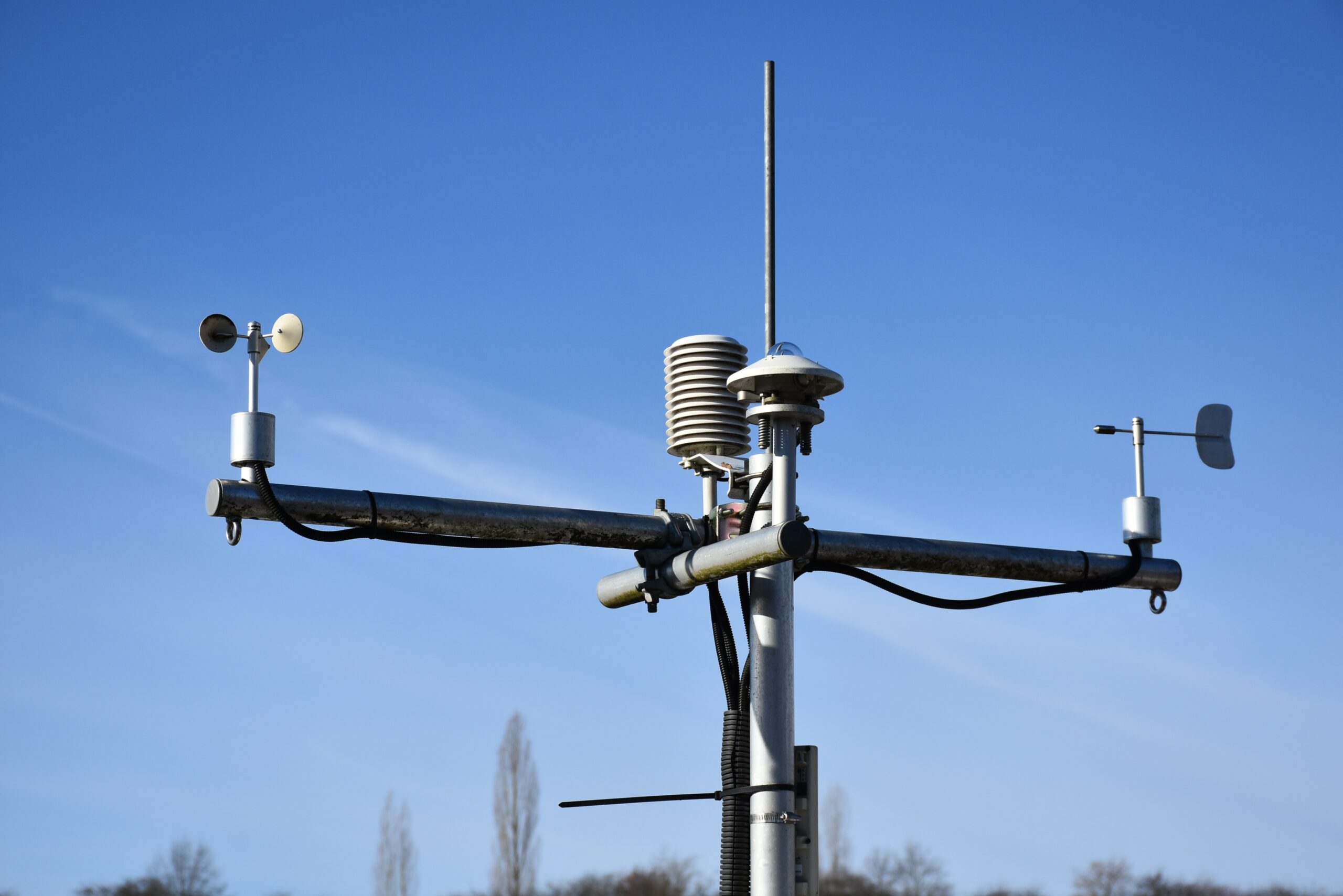
Monitoring Glacier Melting
The accelerating rate of glacier melting poses one of the most significant challenges to our planet, influencing marine ecosystems, altering ocean currents and exacerbating the global climate crisis. Monitoring glacier dynamics is not only critical for understanding these impacts but also for developing mitigation and adaptation strategies.

Challenges
Despite significant advancements, glacier monitoring still faces critical gaps:
- Data Gaps: Comprehensive, high-resolution data is often unavailable or inconsistent, limiting accurate analysis and predictions.
- Predictive Limitations: Existing models lack precision in forecasting critical events such as iceberg detachment or the cascading effects of freshwater influx on marine ecosystems.
- Resource Constraints: Many institutions lack the tools and capabilities to process large-scale satellite data efficiently.
Organizations such as the Arctic Monitoring Forecasting Centre (ARC MFC), Polar Portal, National Ice Center and National Snow and Ice Data Center (NSIDC) play pivotal roles in glacier monitoring. However, these organizations often face challenges mentioned above—areas where our expertise can make a significant impact.
Solution
We can leverage satellite data to monitor and analyze glacier melting from multiple perspectives. This includes tracking the mechanical movement of glaciers, detecting cracks to forecast iceberg detachment and estimating the volume of freshwater entering the ocean.
Satellite Data Processing
We develop advanced pipelines for processing satellite imagery, enabling faster and more accurate data analysis.
Image Segmentation
Using machine learning algorithms, we automate the identification of key glacier features such as cracks and surface deformations.
Data Labeling
Our AI-assisted tools streamline the annotation of satellite images, ensuring efficiency and accuracy in dataset preparation.
Predictive Modeling
By creating advanced predictive models, we enhance the ability to forecast glacier-related events and their cascading effects.
Value
For Institutions
Enhanced monitoring tools that improve the accuracy and efficiency of Arctic and Antarctic studies.
For Researchers
Access to state-of-art software and models that simplify complex data analysis and visualization.
For the Planet
Contributions to a deeper understanding of glacier dynamics, supporting global efforts to combat climate change.
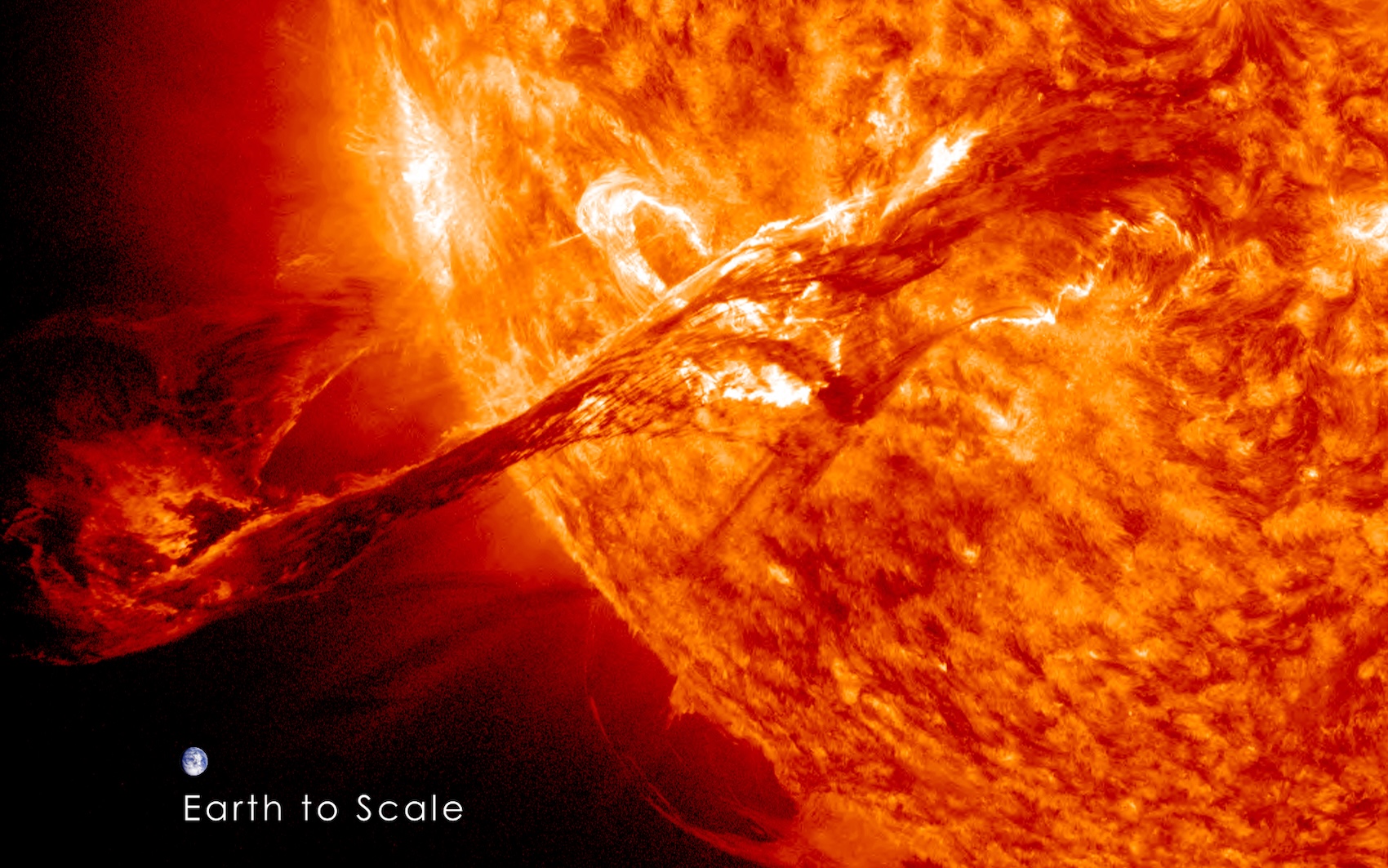
Monitoring Sun Eruptions
Solar eruptions are powerful phenomena that have the potential to disrupt technology, communication systems and power grids on Earth. Understanding and predicting these events are critical to minimize their impacts and ensuring the safety of modern infrastructure.
Challenges
Solar eruption monitoring faces several challenges:
- Limited Predictive Accuracy: Current models often struggle to accurately forecast the timing and intensity of solar eruptions.
- Lack of Real-Time Systems: Effective real-time warning systems that provide timely alerts to mitigate potential damage are underdeveloped.
- Data Integration Issues: The vast amount of observation data generated by multiple sources remains underutilized due to a lack of integration and advanced analysis tools.
NASA’s Solar Cycle Progression and Forecast program and the European Solar Physics initiative have made significant contributions to monitoring and predicting solar activity. Yet, there’s room for improvement. We can amplify their efforts by addressing gaps in predictive modeling, warning system efficiency and data utilization
Solution
We focus on monitoring and predicting solar eruptions using advanced observation data to gain deeper insights into their behavior. Developing a robust mathematical-physical model enhances prediction accuracy and creates a reliable warning system to minimize potential risks.
Advanced Data Analysis
Utilizing state-of-the-art algorithms to process and analyze vast amounts of solar observation data, extracting actionable insights.
Enhanced Predictive Modeling
Developing mathematical-physical models that improve the accuracy and reliability of solar eruption predictions.
Real-Time Warning Systems
Designing robust systems to provide immediate alerts, helping mitigate the impact on critical infrastructure.
AI and Machine Learning Integration
Employing AI techniques to detect patterns and trends in solar activity, offering a new layer of predictive insights.
Collaboration Platforms
Creating global platforms to facilitate collaboration among researchers, enabling data sharing and joint innovation.
Value
For Institutions
Enhanced monitoring tools that improve prediction accuracy and enable effective mitigation strategies.
For Researchers
Access to innovative software and platforms that simplify data analysis and foster global collaboration.
For Society
Strengthened resilience against the impacts of solar eruptions, ensuring the continuity of critical infrastructure.
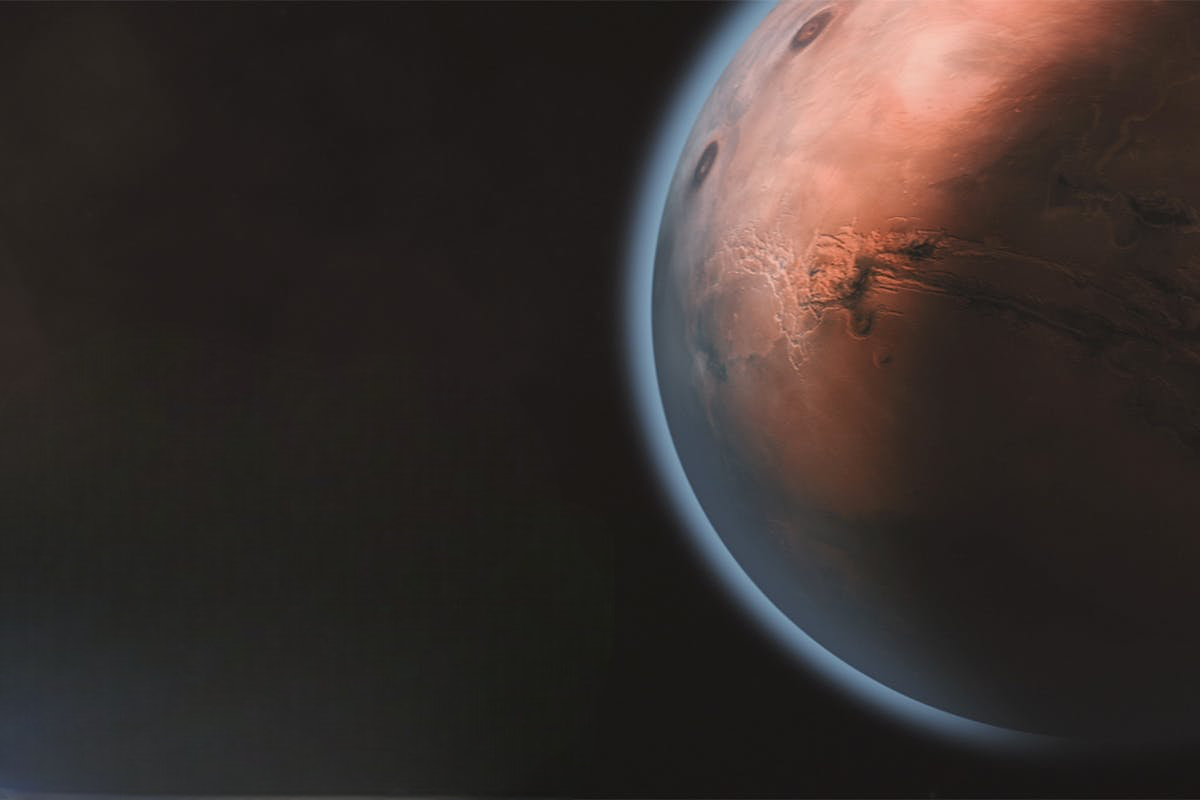
Mars Weather Prediction
Predicting weather on Mars is a crucial step in ensuring the success of future exploration missions and the sustainability of human presence on the Red Planet. Accurate weather forecasts can protect technological assets, guide mission planning and enhance our understanding of Martian atmospheric dynamics.
Challenges
These are the challenges in Mars weather prediction that institutions face:
- Data Collection Limitations: Current satellites and instruments have constraints in capturing high-resolution atmospheric data specific to Martian conditions.
- Predictive Accuracy: Models tailored to Earth’s weather are not fully optimized for Mars, where unique factors like dust storms and thin atmospheric composition play a significant role.
- Real-Time Data Challenges: Delayed data transmission from Mars to Earth hinders the ability to provide timely updates and forecasts.
European Space Agency (ESA) and NASA’s Space Weather Prediction Center (SWPC) have laid the groundwork for Mars weather prediction. Significant opportunity lies ahead—refining forecasting techniques, exploring innovative approaches and addressing the unique challenges associated with Martian weather.
Solution
By developing a comprehensive Mars weather prediction system we can push the innovation in motion. This includes the technical development of satellites, a visual representation of the journey to Mars and the scanning and analysis of Martian atmospheric data. Our ultimate goal is to provide accurate and actionable weather forecasts tailored to the unique conditions of Mars.
Advanced Satellite Technology
Designing and optimizing satellites to collect precise atmospheric data tailored to Martian conditions.
Predictive Modeling for Mars
Developing bespoke mathematical models to accurately forecast weather patterns, including dust storms and temperature fluctuations.
Real-Time Data Transmission
Enhancing data transmission systems to provide immediate updates for mission-critical decisions.
AI-Powered Analysis
Utilizing artificial intelligence to detect trends and anomalies in Martian atmospheric data, improving forecast accuracy.
Intuitive Visualization Tools
Creating user-friendly platforms for visualizing weather patterns, enabling effective communication and decision-making.
Value
For Space Agencies
Enhanced tools for monitoring and predicting Martian weather, improving the safety and success rate of exploration missions.
For Researchers
Access to advanced models, datasets and visualization tools to deepen scientific understanding of Mars.
For Future Missions
Supporting sustainable exploration efforts by providing critical insights into Martian atmospheric dynamics.
Global Singularity
At Global Singularity, we address some of the most pressing challenges in science and exploration.
Partner with us and let’s shape the future of climate resilience, space explorationand technological innovation together.
Book a call
Our work
Discover other projects
Explore more software development ventures of Singularity team.

Meet-up & conferencies
Uniting the global space community for a sustainable future IAC 2024
IAC 2024 gathered leaders, scientists, and innovators from the international space community to discuss the future of space exploration, sustainability in orbit, and global collaboration. The conference showcased pioneering projects, shared knowledge, and fostered partnerships across governments, academia, and industry.

Meet-up & conferencies
Shaping the future of technology, innovation & society WebSummit 2025
WebSummit 2025 brought together the global tech community to explore groundbreaking innovations, emerging technologies, and the societal impact of the digital revolution. Startups, investors, and industry leaders gathered to exchange ideas, foster collaboration, and shape the future of technology across multiple sectors.

Meet-up & conferencies
The future of computing starts here HiPEAC 2026
The HiPEAC conference is the premier European forum for experts in computer architecture, programming models, compilers and operating systems for general-purpose, embedded and cyber-physical systems. Areas of focus and integration include safety-critical dependencies, cybersecurity, energy efficiency and machine learning.

Software development
Software development for TRANSPAREX
Transparex was created due to the fact that in Slovakia and in the world in general it is a big problem to control offers and suppliers in public procurement.

Software development
Software development for the largest Norwegian insurance company
Health insurance module, finely tuned for supplementary coverage, facilitating seamless communication among clients, medical specialists and insurance companies.

Software development
Software development for AGROSCAN
We have developed a platform that consolidates all field-related information into one place, offering useful data and features to help farmers manage their operations more efficiently thanks to satellite imagery, records of fertilizer, pesticide applications and comprehensive diagnostics.

Start-up
SINGULARITY AI
Our flagship project is Singularity AI, an AI-powered, voice-controlled platform that integrates design, backend, architecture and deployment, freeing programmers from repetitive tasks.
We are almost ready
Coming soon
Stay in the loop. Share your email with us and we will notify you when Singularity begins.